


The Children’s Commissioner for England has threatened to use her statutory powers to access tech companies’ risk assessments after Ofcom refused her request to see them, she told a House of Lords committee.
Dame Rachel De Souza expressed anger at the online safety regulator and said it has told her it “will attempt to stop me getting” the documents.
Not having the risk assessments has left her team unable to find evidence that the Online Safety Act 2023 has led to meaningful improvements to platforms’ systems and features, the Communications and Digital Committee heard on Tuesday.
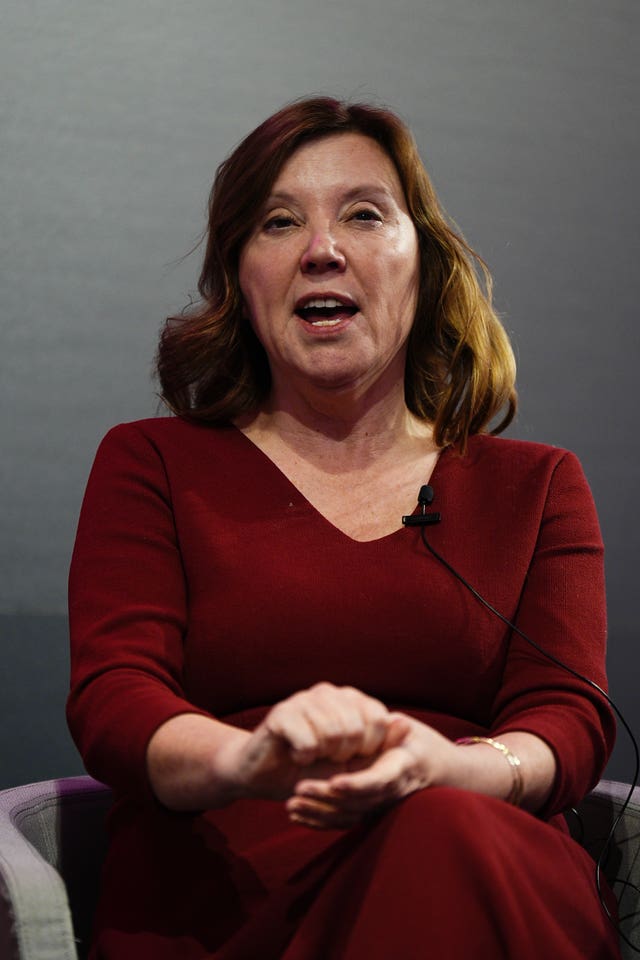
On the first day of its inquiry into the Act, Dame Rachel was asked: “What evidence is there, if any, that the Act has led to any meaningful improvements to systems and features, rather than just suppressing harmful content?”
The former head teacher responded: “We don’t know. And actually, I say that on purpose because I’m really cross about it.
“So, what is the mechanism? Basically, the tech companies supposedly have written risk assessments for Ofcom.
“There isn’t an outcomes measure, they are completely not transparent.
“I, as the most senior safeguarding person in this country for children, have asked Ofcom to see those risk assessments and they have said no.
“And I have threatened to use my data powers – I have statutory powers to get them – and they have said that they will attempt to stop me getting them.”
Dame Rachel asked the committee to assist her in the matter because she is planning to use her powers.
She added: “If we cannot even see the risk assessments that may well have put these mechanisms into place – or may not have, we don’t know – how on earth can we judge the efficacy of it?
“So I leave that one with you, but I’m pretty furious about that.”
An Ofcom spokesperson said: “We work closely with the Children’s Commissioner and share her objectives to ensure children are safe online.
“In December, we published our analysis of risk assessments from the first year of the Online Safety Act being in force, and the improvements we expected to see from platforms.
“Our action has resulted in material improvements being made to risk assessments, ensuring that tech companies must implement all measures necessary to address the risks identified on their sites and apps.
“We are subject to laws that mean we’re restricted in what information we can disclose relating to businesses.”
This comes after the commissioner last month called on the watchdog to take its responsibilities “seriously” and crack down on companies allowing inappropriate material to be on their sites.
Ofcom “needs to show more teeth” and needs political support, she told Radio 4’s World At One.
Dame Rachel told Tuesday’s committee that she has made the regulator an offer to write to every child in the country and explain its Children’s Code.
The commissioner would tell them that the Code is supposed to keep them safe and then each year ask them: “Do you feel safer?”
“It’s a simple, straightforward thing that, you know, Ofcom could ask my office to do, or could do themselves.
“I could help them, I don’t think we need to overthink it.”
The Children’s Code was a “massive lost opportunity”, she said, adding that she flagged that “the Children’s Code should be for children” when it was published in April last year.
It set out rules for how websites and apps must protect children from harmful content, including by using age assurance tools and reconfiguring algorithms to prevent young people accessing illegal and harmful material.
Ofcom heard from more than 27,000 children and 13,000 parents as it designed its Children’s Code, a spokesperson said.
They added: “We continue to engage regularly with young people and parents to understand children’s experiences online, including through the Children’s Commissioner, who runs a youth panel for Ofcom.
“Since the Online Safety Act came into force, we’ve secured important changes from major platforms to better protect children, but we’ve been clear the tech industry has much more work to do.
“We’ve also shown that we won’t hesitate to investigate companies where our evidence suggests they may be failing to comply with their duties to protect children from harmful content.”

Share